
The European market presents a significant and growing opportunity for baby corn import Europe . With increasing consumer interest in diver...
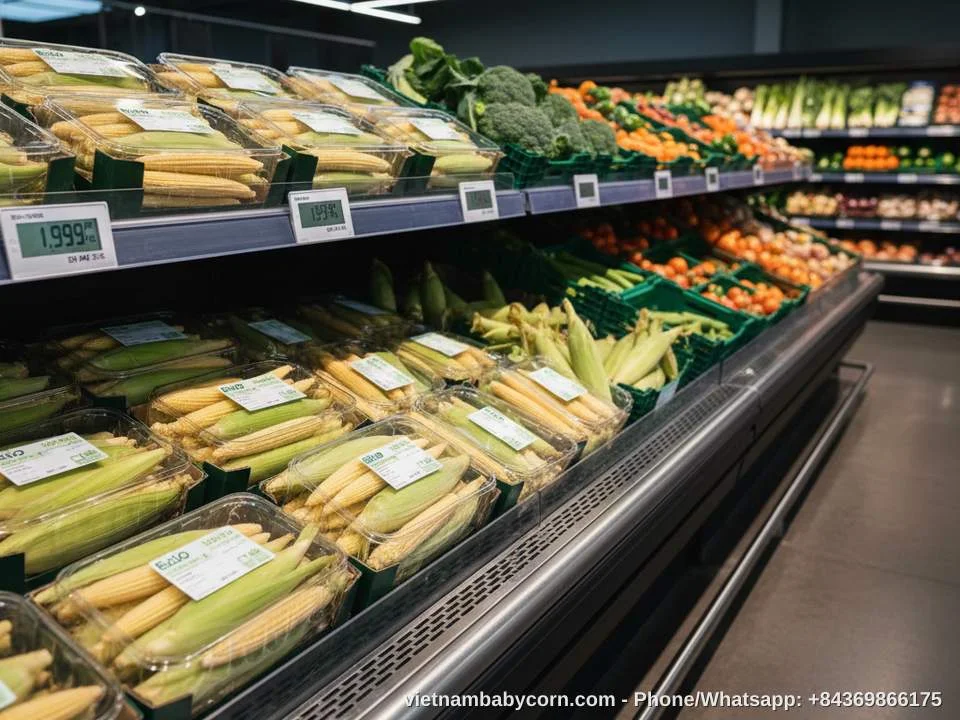
The European market presents a significant and growing opportunity for baby corn import Europe. With increasing consumer interest in diverse and healthy food options, the demand for exotic vegetables like baby corn is on the rise. Vietnam, a leading producer, is strategically positioned to meet this demand, especially with favorable trade agreements and a commitment to quality.
Vietnam Baby Corn EU Market: Navigating Opportunities and Compliance
The European Union is a major importer of baby corn, with substantial volumes sourced primarily from Vietnam and Thailand. This consistent demand underscores the established presence of baby corn in the European food landscape. For EU buyers looking to secure reliable supplies, understanding the nuances of the Vietnamese export market, particularly concerning compliance and quality, is crucial.
The EU-Vietnam Free Trade Agreement (EVFTA) Advantage
A key driver for increasing vietnam baby corn EU market engagement is the EU-Vietnam Free Trade Agreement (EVFTA). This landmark agreement significantly reduces or eliminates tariffs on a wide range of goods, including agricultural products like baby corn. For EU importers, this translates directly into more competitive pricing and improved profit margins, making Vietnamese baby corn a more attractive proposition compared to non-EVFTA sourcing options. The reduced tariff burden facilitates a smoother and more cost-effective import process, encouraging higher import volumes.
Key EU Markets and Their Specific Demands
While the entire EU presents opportunities, certain markets act as crucial gateways and major consumption hubs:
- The Netherlands: Consistently serves as a primary entry point for many imported food products into Europe due to its advanced logistics infrastructure and established distribution networks.
- United Kingdom: Despite Brexit, the UK remains a significant market for baby corn, particularly within the ready-meal sector. Importers here will need to navigate post-Brexit regulations but the demand remains robust.
- Germany and France: These large economies exhibit strong consumer preference for diverse and high-quality produce, making them key markets for baby corn.
- Scandinavia: Emerging markets with a growing appetite for international cuisines and healthy food choices.
Meeting EU Food Safety Standards
Compliance with stringent EU food safety regulations is paramount for any successful baby corn exporter europe. Key regulations EU buyers must be aware of include:
- EC 178/2002: This foundational regulation establishes general principles and requirements for food legislation, ensuring traceability and safety throughout the food chain.
- Maximum Residue Levels (MRLs) for Pesticides: Strict limits are enforced for pesticide residues. Suppliers must demonstrate adherence to these MRLs through rigorous testing and quality control.
At Mekong Herbals, our HACCP and ISO 22000 certifications are a testament to our unwavering commitment to food safety and quality management. We understand the critical importance of these standards for our European partners and maintain comprehensive systems to ensure compliance.
Premiumizing with Organic Certification and Localized Labeling
The demand for organic products is a significant trend in European supermarkets. Offering certified organic baby corn can command a premium price and appeal to a growing segment of environmentally conscious consumers. Furthermore, successful market penetration requires attention to detail, such as ensuring labeling is provided in the local languages of the target EU countries. This enhances consumer trust and accessibility.
The Growing Demand for Exotic Vegetables and the Ready-Meal Sector
European supermarkets are increasingly featuring a wider array of exotic vegetables as consumers seek to diversify their diets. Baby corn, with its unique texture and mild flavor, fits perfectly into this trend. The ready-meal sector, particularly in the UK, is a substantial consumer of baby corn, utilizing it in stir-fries, curries, and other convenient meal solutions. This provides a consistent demand stream for reliable suppliers.
Tips for EU Importers Working with Vietnamese Suppliers
For EU importers, building strong relationships with Vietnamese suppliers requires clear communication and a focus on mutual understanding:
- Prioritize Certified Suppliers: Work with exporters who hold recognized certifications like HACCP and ISO 22000, ensuring a commitment to quality and safety.
- Establish Clear Specifications: Define precise requirements for product size, appearance, packaging, and any specific quality parameters.
- Understand Logistics: Familiarize yourself with shipping routes, lead times, and customs procedures relevant to importing from Vietnam.
- Maintain Open Communication: Regular dialogue regarding production, quality control, and shipment schedules is vital for a smooth partnership.
Mekong Herbals, with its extensive experience in exporting to the EU market and its robust quality assurance systems, is ideally positioned to be your trusted partner for premium Vietnamese baby corn. Our commitment to excellence, from farm to fork, ensures that our products consistently meet the high standards expected by European buyers.
Get a Free Quote Today
Ready to source premium baby corn from Vietnam? Mekong Herbals offers competitive pricing, flexible MOQ, and reliable global shipping.
Contact us:
- 📧 Email: contact@mekongherbals.com
- 📱 Phone/WhatsApp: +84 369 866 175
- 🌐 Website: vietnambabycorn.com
Mekong Herbals Joint Stock Company — A member of Gold Group


COMMENTS